

What Does Plumbing Maintenance Include?
Plumbing maintenance is a proactive inspection of the accessible parts of your home’s plumbing system. Rather than waiting for a leak, clog, or fixture issue to disrupt your day, you can have key components checked and address visible concerns earlier.
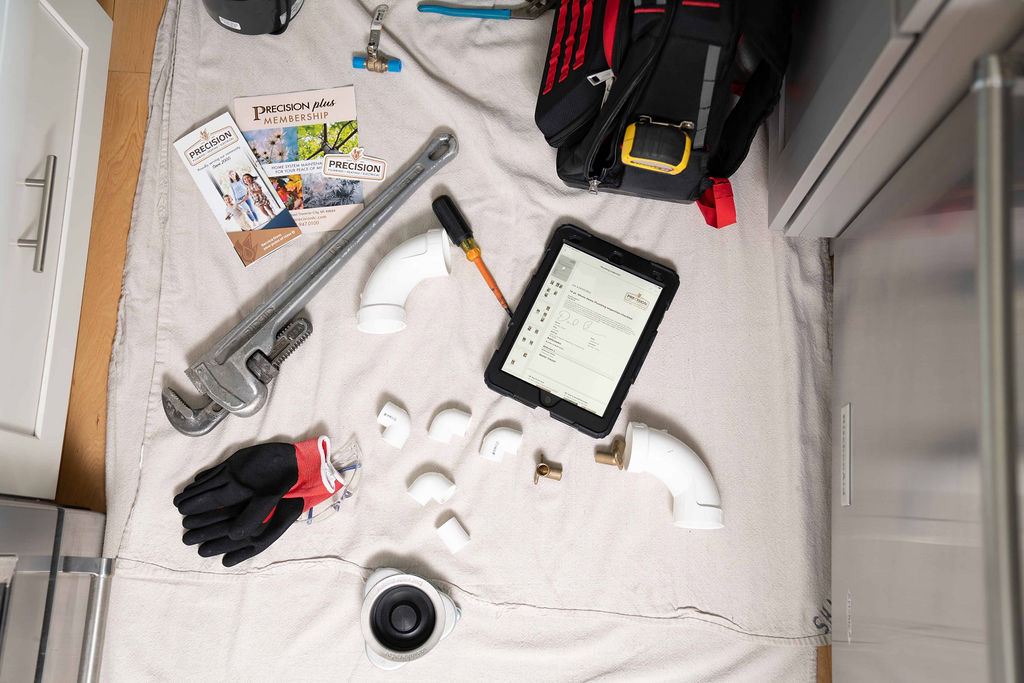
Depending on your home and the concerns you share with us, a maintenance visit may include checking:
- Visible pipes and accessible plumbing connections
- Faucets, fixtures, and shutoff valves
- Toilets for running, leaking, or flushing problems
- Sinks, showers, and tubs
- Water pressure
- Visible water heater components and connections
- Areas under sinks and around fixtures for signs of moisture
- Fixture performance in kitchens, bathrooms, laundry rooms, and utility areas
- Questions you have about your plumbing system
After the inspection, your plumber will go over the findings, identify any recommended repairs, and provide upfront pricing before approved work begins.
Why Plumbing Maintenance Matters
Plumbing problems are not always obvious at first. A worn connection may begin with a small amount of moisture. A toilet may run intermittently.
Routine maintenance can help you:
- Identify visible concerns earlier
- Better understand the condition of accessible plumbing components
- Plan repairs before a problem becomes more disruptive
- Monitor aging fixtures, connections, and equipment
- Ask questions about changes you have noticed in your home
Maintenance cannot guarantee that a leak or plumbing failure will never occur. It can, however, give you a clearer picture of your system and help you make informed decisions.

Fixture, Faucet, and Toilet Maintenance
Faucets, toilets, sinks, showers, tubs, and utility fixtures are used every day. Over time, internal parts can wear down, connections can loosen, and small leaks can develop.
During a maintenance visit, your plumber may check for:
- Dripping faucets
- Running or frequently refilling toilets
- Weak or inconsistent flushing
- Loose handles, spouts, or toilet components
- Worn washers or cartridges
- Slow or incomplete shutoff
- Moisture around fixture bases
- Leaks near supply lines and connections
- Reduced or inconsistent water flow
Consider scheduling service when you notice:
- A faucet that continues dripping after it is turned off
- A toilet that runs, refills frequently, or flushes poorly
- Water or moisture around a toilet, sink, or fixture
- A handle, spout, or toilet component that feels loose
- Reduced flow from a faucet or showerhead
- A fixture that is difficult to turn off
- A visible leak near a supply line
Water Pressure
Changes in water pressure can affect both the comfort of your home and the performance of your plumbing system. Low pressure may cause weak faucet flow, poor shower performance, or slow-filling tubs and appliances. Excessively high pressure can place additional strain on valves, fixtures, supply lines, and other plumbing components, which may lead to premature wear or leaks over time.
Your plumber can evaluate pressure concerns and look for possible causes, including:
- A fixture or aerator problem
- A partially closed or failing valve
- A restricted supply line
- Mineral buildup
- A pressure-regulation problem
- Aging or damaged plumbing components
- Another condition within the home
Water pressure problems are not always consistent. You may notice weak flow only at certain fixtures, pressure that changes throughout the day, or a sudden difference from what you are used to.
Common signs of a water pressure problem may include:
- Weak flow from faucets or showers
- Slow-filling tubs or appliances
- Pressure that suddenly increases or decreases
- Inconsistent flow between fixtures
- Banging or noisy pipes
- Frequent issues with valves or fixtures
Water Heater Maintenance Checks
Your water heater supports bathing, cleaning, laundry, dishes, and other daily routines. A plumbing maintenance visit can include an inspection of visible water heater components, connections, valves, and surrounding areas.
Ask about a water heater check if you notice:
- Inconsistent water temperature
- Hot water running out sooner than expected
- Popping, rumbling, or banging sounds
- Moisture or visible leaking near the unit
- Rust-colored water
- Reduced hot water pressure
- Longer recovery times
- An older unit that has not been inspected recently
Your plumber can look for visible corrosion, worn connections, valve concerns, moisture, and other signs of changing performance. When the water heater needs attention, we will discuss the available repair or replacement options and provide upfront pricing.
Precision Plus Memberships
Precision Plus Memberships offer a convenient way to keep routine home-system maintenance on schedule.
The multi-level program can support regular maintenance for the systems that keep your home heated, cooled, and supplied with water. Depending on the membership level selected, benefits may include discounts on after-hours service and accrual dollars toward future purchases.
Our team can go over each membership option, what it includes, and which level best fits your home.
Why Homeowners Choose Precision
Precision Plumbing & Heating is a family-run company that has served the Traverse City area since 2000.
Our plumbing team includes experienced master plumbers who work with residential plumbing repairs, installations, maintenance, fixtures, water heaters, and pressure concerns
Our goal is to help you make confident decisions that support the long-term comfort and reliability of your home.
Serving Traverse City and Northern Michigan
Precision Plumbing & Heating provides residential electrical home improvement services for homeowners in Traverse City and throughout Northern Michigan.
Whether you want to check your fixtures, talk through water pressure, plan ahead before something becomes disruptive, our team is happy to help.
Call 231.947.0100 to schedule plumbing maintenance or request service online.
Plumbing Maintenance FAQs
How often should I schedule plumbing maintenance?
Many homeowners choose to schedule plumbing maintenance once a year. Annual service may be especially useful in homes with older fixtures, a history of leaks, changing water pressure, recurring drain problems, or an aging water heater.
The most appropriate schedule depends on your home, equipment, and previous plumbing concerns.
What happens during plumbing maintenance?
A plumber inspects accessible parts of the home’s plumbing system. The visit may include visible pipes and connections, faucets, fixtures, toilets, shutoff valves, in-home drains, water pressure, and visible water heater components.
Afterward, the plumber goes over the findings and recommends any appropriate next steps.
Can plumbing maintenance prevent leaks?
Maintenance cannot guarantee that a leak will never occur. It may help identify visible warning signs such as dripping fixtures, worn parts, aging connections, corrosion, or moisture where it should not be.
Do you check water pressure?
Yes. A plumber can measure or evaluate your water pressure, investigate possible causes of a change, and recommend an appropriate repair or maintenance option.
Do you check water heaters?
Yes. A maintenance visit can include checking visible water heater components, valves, connections, and surrounding areas for signs of leaking, corrosion, wear, or changing performance.
Do you provide upfront pricing if a repair is needed?
Yes. When a plumber identifies a recommended repair, you will receive upfront pricing before any approved work begins.
What areas do you serve?
Precision Plumbing & Heating provides electrical panel upgrades for families and businesses throughout Grand Traverse, Leelanau, Benzie, and Antrim Counties, including:
Traverse City, Lake Ann, Glen Arbor, Lake Leelanau, Leland, Glen Lake, Beulah, Crystal Lake, Suttons Bay, Northport, Omena, Thompsonville, Interlochen, Kingsley, Buckley, Acme, Williamsburg, Elk Rapids, Fife Lake, Elk Lake, Torch Lake, Cedar, Maple City, Kalkaska, and Empire.
